
Recent Posts
3 Common Dehumidifier Myths Debunked
May 29, 2026
Autumn: The Unsuspecting Mould Season
Apr 06, 2026

NWT Partners with Sensitive Choice
Mar 13, 2026
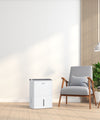
Top 4 Dehumidifier Mistakes to
Feb 23, 2026
Tags
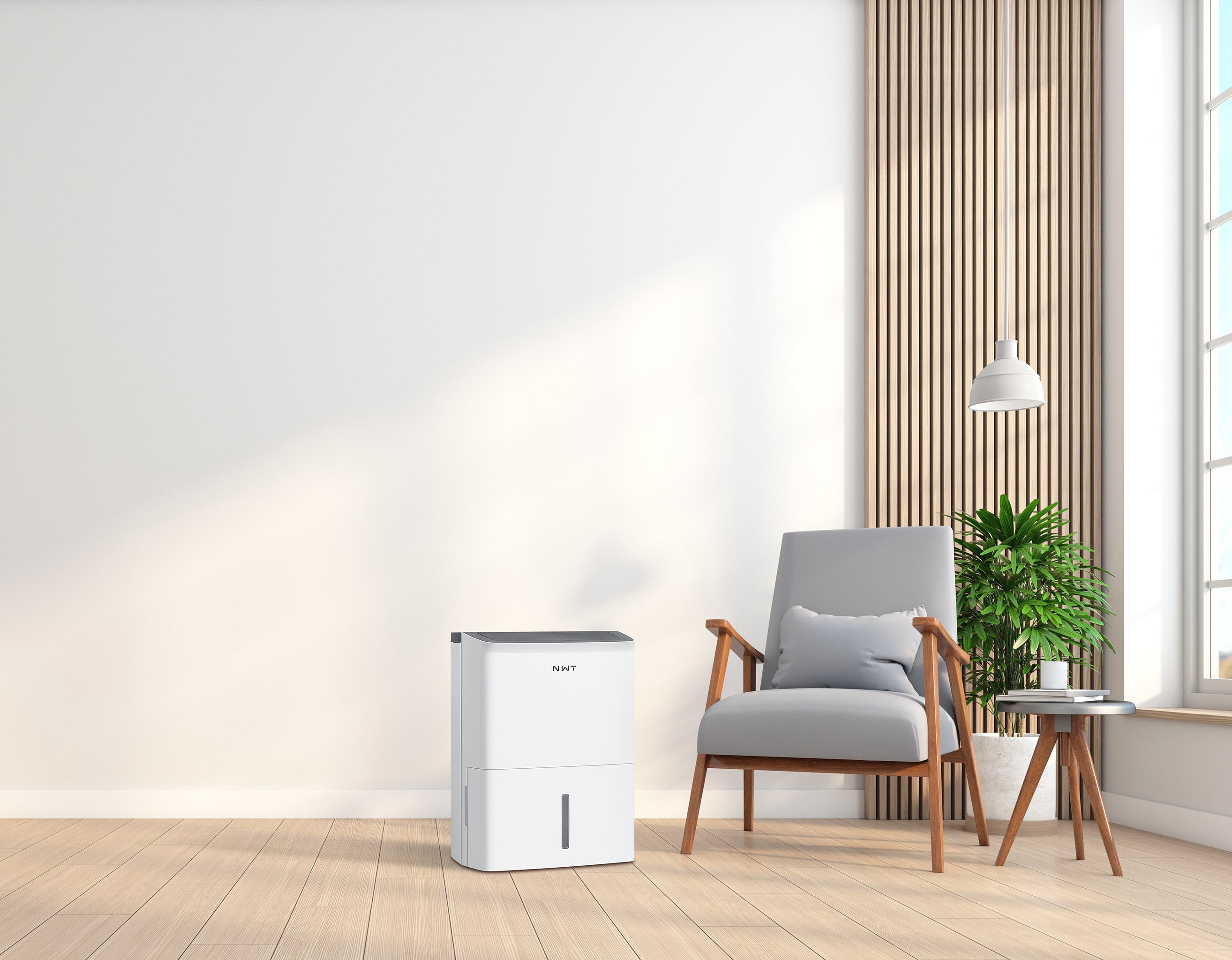
Top 4 Dehumidifier Mistakes to Avoid for Optimal Home Comfort
NWT Australia
Feb 23, 2026
0 comments
Welcome to NWT Australia's guide on dehumidifier usage! If you've recently invested in a dehumidifier to improve your home's air quality and comfort, you're in the right place However, even the best dehumidifiers can underperform if they're not used correctly. In this blog, we'll walk you through the four most common mistakes people make with their dehumidifiers and how to avoid them. By the end of this article, you'll be equipped with all the knowledge you need to maximise your dehumidifier's efficiency and keep your home at the perfect humidity level year-round.
Understanding the Importance of Proper Dehumidifier Use
First, let's take a moment to understand why proper dehumidifier usage matters so much. Australia's climate can be quite humid, especially in coastal areas and during the warmer months. Excess moisture in your home can lead to mould growth, dust mite proliferation, musty odours, and even structural damage over time. A dehumidifier is an excellent investment in your home's health and your family's wellbeing, but only if it's used correctly.
The good news is that avoiding these common mistakes is straightforward once you know what they are. Whether you're a first-time dehumidifier user or you've had one for years, this guide will help you optimise your setup and get the most out of your investment.
Mistake #1: Improper Placement (Too Close to Walls)
One of the most common mistakes people make with their dehumidifiers is placing them too close to walls or in corners. This might seem like a convenient spot to tuck the unit away, but it's actually one of the quickest ways to reduce its effectiveness.
Why Placement Matters
Dehumidifiers work by drawing in humid air, removing the moisture, and then releasing dry air back into the room. When you place your dehumidifier too close to a wall, you're restricting the airflow around the unit. The machine needs adequate space to pull in air from multiple directions and distribute the dried air effectively throughout the room.
The Ideal Placement Strategy
For optimal performance, place your dehumidifier at least 30cm away from walls, furniture, and other obstacles. This creates a buffer zone that allows air to flow freely around the unit. Ideally, you want to position it in a central location within the room you're trying to dehumidify.
Additionally, make sure the dehumidifier isn't blocked by curtains, blinds, or other window coverings. The intake and exhaust areas need to be completely clear for the unit to function at its best. If you're using your dehumidifier in a bedroom, avoid placing it directly behind the door, as this can create dead zones where humid air doesn't circulate properly.
Room Size Considerations
Another aspect of proper placement is ensuring your dehumidifier is appropriately sized for the room. A small dehumidifier placed in a large room will struggle to maintain optimal humidity levels, no matter how well you position it. Conversely, an oversized unit in a small room might cycle on and off frequently, which can be inefficient and noisy.
At NWT Australia, we offer dehumidifiers in various capacities (12L to 50L) to suit different room sizes. When selecting your unit, consider the square footage of the space you want to dehumidify. As a general rule, a dehumidifier should be able to handle the entire room's air volume multiple times per hour for effective moisture removal.
Mistake #2: Leaving Windows and Doors Open
This might seem obvious, but you'd be surprised how many people leave windows and doors open while running their dehumidifiers. It's one of the most counterproductive mistakes you can make, and it's surprisingly common, especially during pleasant weather when people want fresh air.
The Logic Behind Closed Spaces
When you leave windows or doors open, you're essentially inviting humid outdoor air into your home while your dehumidifier is working hard to remove moisture. Every time you open a window or door, you're introducing new moisture that the dehumidifier has to process, making it work overtime and reducing its overall effectiveness.
In Australia's climate, this is particularly problematic during the warmer, humid months. The outdoor air can be significantly more humid than your indoor air, so opening windows during these periods is especially counterproductive. Even on days when the weather seems pleasant, the humidity levels outside might be higher than you realise.
When to Open Windows
This doesn't mean you should never open your windows. Fresh air is important for your home and your health. However, timing is crucial. The best time to open windows is during the cooler, drier parts of the day, such as the early morning or late evening. Check the weather forecast and humidity levels before opening windows. Many weather apps now include humidity information, which can help you make informed decisions.
If you live in an area with consistent humidity issues, consider opening windows for short periods only, just long enough to get some fresh air circulation. Then close them and let your dehumidifier do its job. This balanced approach allows you to enjoy fresh air without compromising your dehumidifier's effectiveness.
Creating a Sealed Environment
For maximum dehumidifier efficiency, you want to create as sealed an environment as possible in the room or area you're treating. This means closing all windows and doors, sealing any obvious gaps around door frames, and even considering weatherstripping if you have significant air leaks. The more controlled your environment, the more effectively your dehumidifier can work.
If you're using your dehumidifier in a basement or other area prone to moisture, this becomes even more important. Basements often have cracks and gaps that allow humid air to seep in from outside. Identifying and sealing these entry points can significantly improve your dehumidifier's performance.
Mistake #3: Neglecting Filter Cleaning and Maintenance
Many people purchase a dehumidifier, set it up, and then forget about it until something goes wrong. Neglecting regular filter cleaning and maintenance is a critical mistake that can seriously impact your unit's performance and longevity.
Understanding Your Dehumidifier's Filter System
Most dehumidifiers have an air filter that traps dust, allergens, and other particles before the air passes over the cooling coils. Over time, this filter accumulates dust and debris, which restricts airflow and reduces the unit's efficiency. A clogged filter forces your dehumidifier to work harder, consuming more energy and potentially causing the motor to overheat. A clean filter means better airflow, better performance, and lower energy consumption.
Regular Cleaning Schedule
How often should you clean your dehumidifier's filter? This depends on several factors, including how much dust and debris are in your home, whether you have pets, and how frequently you use the unit. As a general guideline, check your filter every two weeks and clean it if it appears dusty or clogged. During heavy use periods, you might need to clean it weekly.
Cleaning is usually simple – most filters can be vacuumed with a soft brush attachment or gently washed with lukewarm water. Always refer to your specific model's manual for detailed cleaning instructions. Never use harsh chemicals or abrasive materials on your filter, as this can damage it and reduce its effectiveness.
Additional Maintenance Tasks
Beyond filter cleaning, there are other maintenance tasks you should perform regularly. Check the water collection tank or drainage system to ensure it's clean and functioning properly. Wipe down the exterior of the unit to prevent dust accumulation. During the off-season, when you're not using your dehumidifier, store it in a clean, dry place. Before storing, ensure the unit is completely dry inside to prevent mould growth. When you're ready to use it again, run it for a few minutes before relying on it for humidity control, just to ensure everything is functioning properly.
Mistake #4: Setting Incorrect Humidity Levels
Understanding and setting the correct humidity level is crucial for getting the most out of your dehumidifier. Many people either set their humidity targets too low or too high, which can lead to discomfort, energy waste, or inadequate moisture removal.
The Ideal Humidity Range
The Environmental Protection Agency (EPA) recommends maintaining indoor humidity levels between 30% and 50% for optimal comfort and health. This range is ideal because it discourages mould and dust mite growth while maintaining comfortable conditions for most people. In Australia's climate, you might find that aiming for the lower end of this range (around 40-45%) during humid months works best.
Humidity levels below 30% can actually be uncomfortable and may cause dry skin, irritated sinuses, and static electricity issues. On the other hand, humidity above 50% encourages mould growth, dust mites, and musty odours. Finding the sweet spot within the 30-50% range is key to optimal home comfort.
Seasonal Adjustments
Your ideal humidity setting might change with the seasons. During Australia's humid summer months, you might want to set your dehumidifier to maintain humidity around 40-45%. During drier months, you might be able to set it slightly higher, around 45-50%, since outdoor humidity is naturally lower. This seasonal adjustment helps you maintain comfort while optimising energy usage.
If you notice that your dehumidifier is running constantly, it might be because your humidity target is set too low for your current conditions. Conversely, if it rarely runs, your target might be too high. Experiment with different settings and monitor how you feel. Pay attention to any signs of excess moisture (musty smells, visible mould) or excessive dryness (dry skin, static electricity).
Additional Tips for Dehumidifier Success
Beyond avoiding these five major mistakes, there are several additional strategies you can implement to maximise your dehumidifier's effectiveness and efficiency.
Zoning Your Dehumidification
Rather than trying to dehumidify your entire home with a single unit, consider zoning your approach. Focus on the areas that need dehumidification most. By concentrating your dehumidifier's efforts on these problem areas, you'll achieve better results with less energy consumption.
If you have multiple problem areas, you might consider investing in multiple smaller dehumidifiers rather than one large unit. This allows you to target specific zones and maintain optimal humidity levels throughout your home more effectively.
Complementary Humidity Control Measures
While your dehumidifier is working hard to remove moisture, you can support its efforts with other humidity control measures. Ensure your home has adequate ventilation, especially in bathrooms and kitchens where moisture is generated. Use exhaust fans when cooking or showering, and ensure they're vented to the outside.
Improve your home's insulation to reduce condensation on windows and walls. Seal air leaks around windows and doors to prevent humid outdoor air from entering. These complementary measures work together with your dehumidifier to create a comprehensive moisture control strategy.
Discover the NWT dehumidifier range here. 15% off sale ends 28/2/2026.